
Preventing Boiler Damage with Timely Power Flushing Redbridge
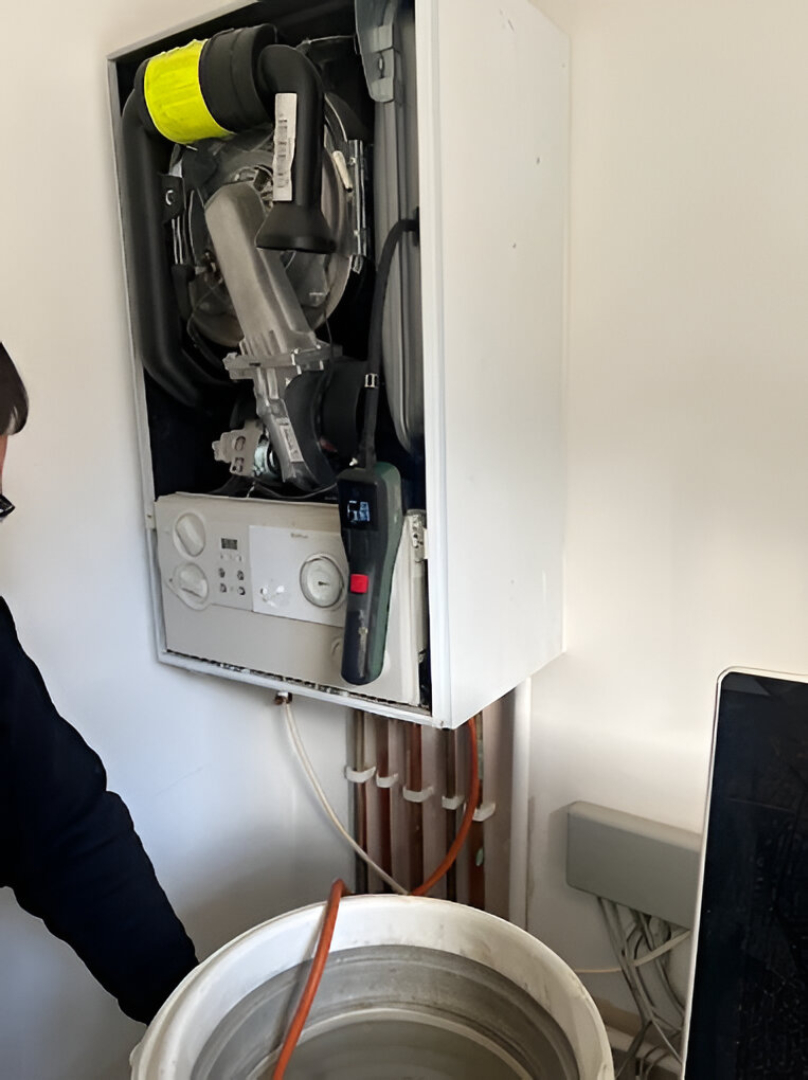
Central heating systems gradually lose their performance through the build up of sludge, rust, and limescale inside pipes and radiators. Most people living in Redbridge only notice the problem when radiators do not get warm at the bottom or heating bills go up for no apparent reason. This internal contamination causes the boiler to work harder, which will take a toll on key components.
Power Flushing services remove these hidden deposits before they cause serious damage. Using high velocity water and professional cleaning chemicals, the process restores proper circulation and protects expensive boiler parts.
A boiler that is struggling due to blocked pipework puts constant strain on the heat exchanger, pump, and valves. Over time, this leads to breakdowns that often cost between £800 and £2,500 to fix. Local power flushing stops this damage early and protects the investment homeowners make in modern heating systems.
Gas Zone offers detailed system checks and specific flushing procedures depending on the levels of contamination often found in Redbridge properties, particularly where condensing boilers are being installed.
Signs Your Heating System Needs Power Flush Services
Heating systems typically give warning signs before major failure occurs. Cold sections on radiators indicate that sludge has settled at the bottom and blocked the flow of hot water. Frequent bleeding is an indication of internal system corrosion. Noises such as banging, whistling or kettling are often a sign that there is limescale on the heat exchanger. Some common symptoms that are experienced in Redbridge homes are:- Radiators hot up at top but cold down at the bottom within 15 minutes of switching the heating on.
- Boiler pressure dropping below 1 bar every few days with no visible leaks.
- Radiator valves are stiffening up from internal sludge.
- Black or brown water that is released when they bleed the radiators.
- Annual gas use increasing by 15% to 30% without lifestyle changes.
How Contamination is Killing Boiler Components
Sludge composed of iron oxide flows through the system and eventually causes wear and tear on pump impellers and valve seats. This material acts like abrasive grit and destroys components each time it circulates. Limescale formed on the heat exchanger creates uneven heat zones which can cause pinhole leaks. Replacing a heat exchanger typically costs between £600 and £1,200. Modern condensing boilers have narrow internal waterways which cause blockage problems when magnetite builds up. This results in overheating and frequent safety shutdowns. Three-way diverter valves can become blocked by sludge settling within them, preventing hot water from getting to taps and showers. Automatic air vents become clogged with contamination and trapped air cannot escape, causing continuous cold spots. System filters that fill up in a matter of months rather than years are a good indication of contamination levels too high to be handled by standard maintenance. Booking Power Flushing services early prevents these failures and avoids unnecessary part replacement.The Professional Power Flushing Process
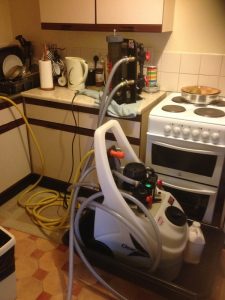
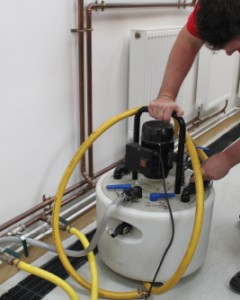
A qualified power flush heating engineer connects a high-flow pumping unit to the heating system, usually at the circulation pump or dedicated access points. Professional cleaning chemicals are used to degrade the magnetite, limescale, and internal debris without damage to the pipes and seals. Water is circulated at a rate of three to four times the normal flow in the system. This force knocks loose deposits that are stuck to the walls of the pipes and the fins of radiators. Each radiator is individually cleaned:- Valves are closed on all radiators except one in order to focus full flow.
- Rapid valve changes produce pressure pulses loosening internal build up.
- Each radiator is given 10 to 15 minutes intensive cleaning.
- Magnetic filters trap iron oxide particles during circulation.
- Dirty water is kept in continuous replacement until water runs clear.
- Neutralising chemicals balance pH levels and are added to provide corrosion protection for up to 5 years.
Timing Your Power Flush for Maximum Protection
Homes over 10 years old should schedule local power flushing every 5 to 6 years, even if no major issues are visible. When installing a new boiler, it is important to flush the existing system first. Old sludge can flow into the new heat exchanger within months and void manufacturer warranties. If early signs such as noisy boilers or uneven radiator heat can be seen, action should be taken within 3 months to avoid further damage. Best practices for timing include:- Flushing in spring or autumn when heating demands are lower.
- Combining the service with yearly boiler service to limit the number of visits.
- Getting a property completed with a flush before selling in order to improve survey results.
- Flushing right after buying an older home with unknown maintenance history.
Cost Comparison: Prevention vs. Repair
A full Power Flushing Redbridge service typically ranges from £350 to £550, depending on system size and contamination severity. This includes the labour, chemicals, testing, and waste disposal. Repair costs are very much higher:- Heat exchanger replacement: £800 to £1,500 total.
- Circulation pump replacement: £250 to £400.
- Emergency winter callouts: additional £80 to £150.
- Annual energy savings of £180 to £320.
- Boiler lifetime increased from 10 years to 15 to 18 years.
- Increased property value through maintenance documentation.
- Reduced radiator replacement because of reduced corrosion risk.