
Power Flush Engineers in Stratford: Power Flush vs Chemical Flush
If your radiators are cold at the bottom, your boiler bangs and gurgles at night, and your gas bills keep rising, you may think it is time for a new boiler. Often, it is not. Your central heating system may simply need the right clean.
A power flush uses a separate pump and cleaning chemicals at a low pressure, high flow rate. A chemical flush relies on your boiler pump to move a flushing chemical more slowly. One handles heavy sludge. The other suits light residue.
Because heating and hot water form a large part of household energy use, the wrong choice can keep your energy bills higher than they need to be. Our power flush engineers in Stratford check the system first, then recommend the work that makes sense.
What Power Flushing Does Inside Your Pipework
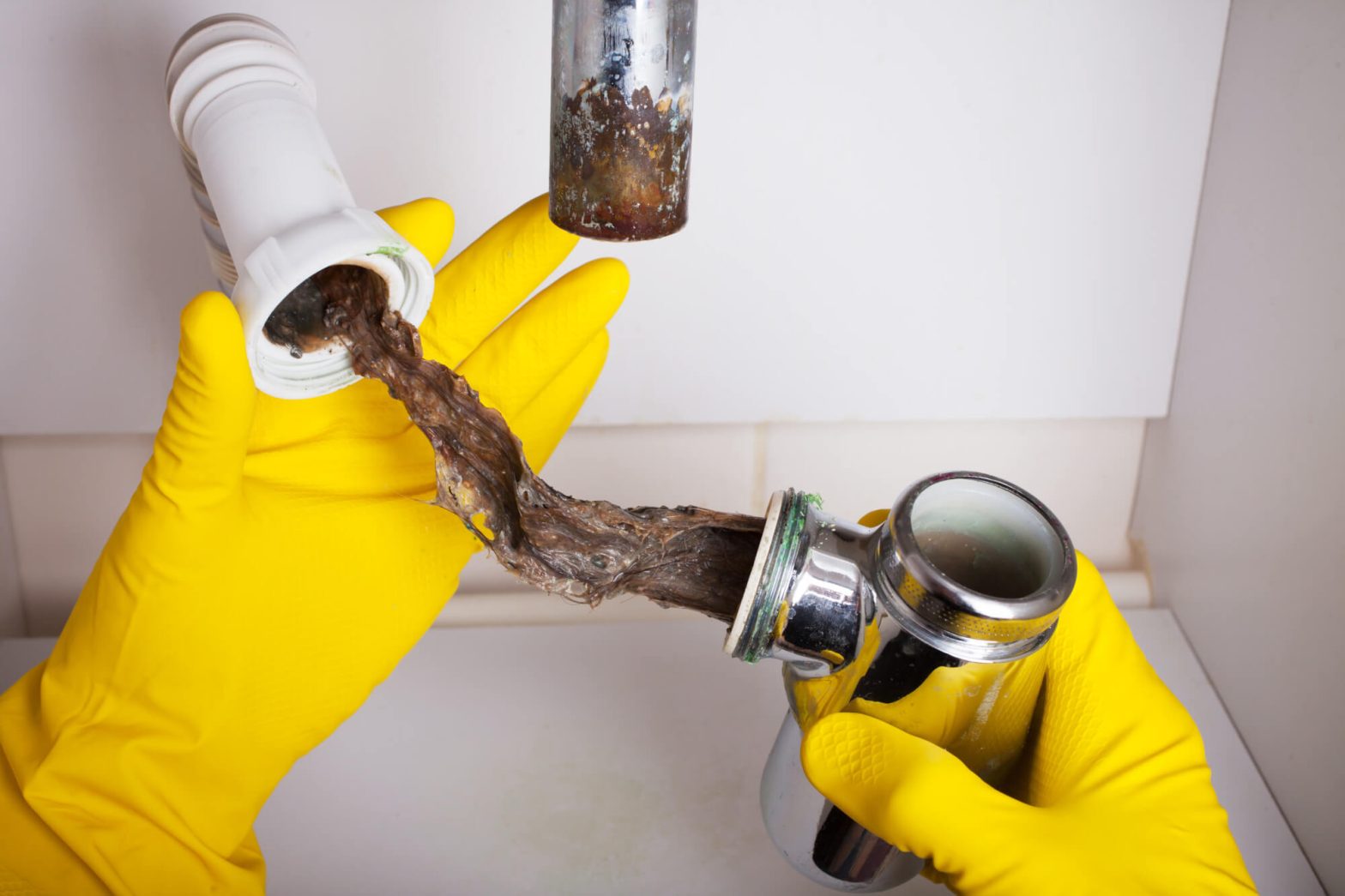
Over time, water reacts with steel and copper. That creates rust, which turns into black iron oxide, also known as magnetite. This debris settles in radiator bottoms, valves, pump seals, pipework, and the heat exchanger.
Power flushing uses a power flushing machine to move water through the system powerfully without putting unsafe pressure on it. The engineer can change the flow direction and use flow reversal to break compacted deposits apart.
A professional power flush can help with:
- Sludge, rust and other debris trapped in radiators and microbore pipes.
- Heavy sludge and settled sludge that restrict heating efficiency.
- Cold spots on radiators, especially when they are hot at the top but cold at the bottom.
- Debris around the boiler pump, heat exchanger, valves, and pump seals.
- A heating system power flush before fitting a new boiler.
During a radiator flush, we work through radiators one at a time. A magnetic filter catches loose debris before it travels back through the central heating system. Once the work ends, we complete a system refill with inhibited water and add corrosion inhibitor. This inhibitor helps protect the metal parts against future corrosion.

How a Chemical Flush Works
A chemical flush is a light clean. We add a flushing chemical, then your existing boiler pump circulates it through the heating system for a few hours. The system is then drained and refilled.
Chemical flushing can suit newer flats, a pre-installation clean, or a system with a working magnetic filter that only needs a filter service. It can remove loose surface residue, but it will not usually shift compacted deposits or heavy magnetite.
That is the real difference between a chemical flush and powerflush work. A central heating flush using the boiler pump cannot create the same high flow rate as a dedicated pump.
Power Flush vs Chemical Flush: A Clear Comparison
| Point of difference | Power flush | Chemical flush |
| Pump used | Separate power flushing machine | Existing boiler pump |
| Typical duration | 4 to 8 hours, longer for large systems | 2 to 4 hours, sometimes longer |
| Typical cost in London | £350 to £700 | £125 to £250 |
| Removes heavy magnetite | Yes, including compacted deposits | Mainly light residue |
| Cold spots on radiators | Usually clears them well | May only partly improve them |
| Best suited to | Older terraces, cast iron radiators, microbore pipes | Newer flats and maintained systems |
| New boiler protection | Supports a full system clean | May not meet every boiler manufacturer warranty condition |
Always check your boiler manufacturer warranty terms. Some manufacturers ask for evidence of a proper central heating system flush before they accept a warranty claim.
Signs You Need Power Flushing in Stratford
Look at the pattern, not just one symptom
Radiators that are cold at the bottom but hot at the top usually point to sludge build-up. Radiators cold at the top often have trapped air instead. They need bleeding, not necessarily a power flush service.
You may need central heating power flush Stratford work if you notice:
- Discoloured water when you bleed your radiators, especially rusty brown or near-black water.
- A noisy boiler with kettling, banging, or gurgles.
- Radiators need regular bleeding because active corrosion creates gas.
- Slow heating response across the whole house.
- Repeat boiler breakdowns or pressure drops.
- Restricted flow, poor heating efficiency, and higher gas bills.
A water sample and water test help us check iron content before we start. This diagnosis protects you from paying for system power flushing when a light clean will do.
Power Flush Services in Stratford E15: What Happens on the Visit
Every power flush company should test before it flushes. Our heating engineers take water samples, check pressure testing results, and inspect the system condition. We also use a pH balance check after cleaning.
After the central heating power flush, we refill the system with fresh inhibited water. Thermal imaging cameras can then show whether heat spreads evenly across each radiator panel.
GasZone works from Canning Road in E15. That means power flushing services in Stratford can often include same day, evening and weekend visits, rather than a long wait for an appointment slot.
Why Landlords Arrange a Central Heating System Flush Between Tenancies
Letting agents often book work between tenancies because rental stock across Newham moves quickly. It gives landlords a clear window to complete boiler servicing, central heating repairs, and a central heating system flush without disturbing tenants.
Gas safety checks are a legal duty for landlords. Pairing a flush with a landlord gas safety certificate and an annual boiler service keeps annual servicing, compliance, and boiler care on one schedule.
Local knowledge matters in E15
Victorian and Edwardian terraces around Maryland, Forest Gate, and West Ham often have cast iron radiators and microbore pipes. Those systems may need power flushes after years of deposits.
Newer homes near Olympic Park and Stratford City often have cleaner pipework, combi boilers, and a magnetic filter. They may only need a filter service or chemical flushing.
Our Gas Safe qualified engineers bring local knowledge from Stratford E15, Barking, Redbridge, and wider East London. GasZone has over 10 years in plumbing and heating. If a flush is not the answer, our central heating repair contractor team can handle central heating repairs, while our boiler repairs in Stratford service can investigate the boiler itself.
Power Flush Services Cost in Stratford and East London
Power flush cost usually follows radiator count and system condition. In London, power flush services cost around £350 for a small flat and up to £700 for a larger home. Chemical flush cost is often £125 to £250.
We give a fixed figure for labour, chemicals and materials. Our quotes stay free of additions once work starts.
The energy price cap changes every three months, while gas rates can still affect household costs. A clean system can support lower energy bills by improving heat flow, although savings depend on your boiler, controls, insulation, and how you use heating.
Get Your Radiators Warm Again
Choosing between power flushing services and a chemical flush is not only about price. A full system clean on a clean modern flat may be unnecessary. A light clean on a system full of sludge may waste your money.
If you are searching for power flush services near me, speak with a heating engineer who will test first. GasZone can explain the diagnosis, the power flush service, and whether your system genuinely needs it.
Call the power flush engineers in Stratford at GasZone on 07300 353247, or get in touch today. We also recommend annual inspections to keep inhibitor levels, filters, and boiler performance under control.
Frequently Asked Questions
1. How much does a power flush cost in Stratford in 2026?
Most Stratford homes fall between £350 and £700. The radiator count, system age, and sludge level affect the price. A chemical flush costs less because it is a lighter job.
2. Can a chemical flush fix cold radiators on its own?
It can help where deposits are light. Heavy magnetite and settled sludge need the stronger movement created by a power flushing machine. A water sample gives the clearest answer.
3. How long does a power flush take on a Stratford terrace?
Most three-bedroom terraces with 8 to 10 radiators take 4 to 8 hours. Older systems with serious corrosion may need a full day. Your heating remains usable for most of the visit, apart from short connection changes.
4. How often should a heating system be power flushed?
Many systems need attention every 5 to 6 years. Systems with a magnetic filter and regular inhibitor checks may last 8 to 10 years. Systems without protection may need attention sooner.
5. Do power flush engineers in Stratford remove radiators?
Not usually. The engineer cleans radiators on the wall using flow reversal. Removal only becomes necessary if a severe blockage does not clear, which is uncommon.